Why balcony solar solutions matter in heritage city centers
Balcony energy systems designed for historic environments unlock a range of benefits that go beyond lower electricity bills. Residents gain direct control over their contribution to climate goals without needing structural roof access or intrusive building-wide projects. Carefully scaled modules, low-profile frames, and color-matched components help maintain the visual continuity of treasured streets, making technology feel like a natural addition rather than sudden disruption. At the same time, the balcony becomes a quietly productive pocket of renewable power, aligning daily routines with long-term environmental responsibility. For heritage districts, these discreet systems demonstrate that care for the past and investment in the future can coexist on the same rail.
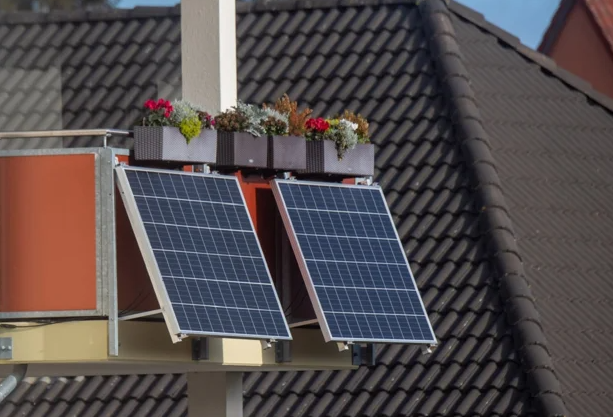
Visual harmony with historic facades
Our systems are developed with strict attention to facade rhythm, balcony ornamentation, and street perspectives. This visual discipline yields configurations that appear calm and intentional, even when viewed from a distance or captured in photographs. Matching hues to stone, plaster, or iron avoids harsh contrasts; slender profiles keep hardware from dominating the balcony space. By respecting traditional details, residents remain comfortable inviting guests onto the balcony, knowing that the energy equipment reinforces rather than undermines the character of their home. For conservation authorities and neighbors, this harmony reduces concern about technological clutter and builds trust in small-scale sustainability measures.
Adaptation to complex urban light conditions
Dense city cores present a mosaic of light and shade shaped by narrow streets, tall buildings, and evolving vegetation. Balcony solar arrays crafted for these environments consider reflected light from pale walls, transient shadows from awnings, and seasonal changes in tree cover. The use of modern micro-inverter technology and module-level optimization ensures energy capture even when parts of the array are temporarily shaded. In practice, this means stable daily output rather than highly variable performance driven by minor shade events. Residents can rely on their energy balcony to function effectively across the year, even when the sky is shared with neighbors, monuments, and street life.
Respectful installation and maintenance
Installation methods are chosen to protect heritage materials, avoid drilling where possible, and maintain the ability to remove systems without permanent marks. Specialist crews familiar with older constructions manage access, anchoring, and cable routing with care. This respect extends to maintenance routines that consider sensitive surfaces and limited balcony space. Residents are provided with clean, simple guidance outlining how to wipe modules, inspect fixtures, and request service visits. By treating each balcony as part of a shared cultural asset rather than a purely technical site, we reinforce the idea that sustainability can be gentle, reversible, and compatible with long-standing stewardship traditions.
Supporting community-level energy narratives
When multiple balconies within a district adopt discreet solar systems, the collective effect becomes a powerful visual and social message. Residents can see tangible signs of climate commitment woven into familiar streets, encouraging conversations about renewable energy grounded in lived experience rather than abstract targets. Municipal leaders gain examples to highlight in communications about sustainable heritage management. Because each installation respects conservation rules, it becomes easier for communities to accept further iterations of gentle energy infrastructure. In this way, balcony solar systems contribute not only kilowatt-hours but also stories that connect heritage pride with future-focused innovation.